
As the crisp autumn air settles over Hammonton and the leaves begin their colorful transformation, homeowners throughout New Jersey recognize that fall is the perfect time to prepare their homes for the changing seasons. While many residents focus on weatherproofing and heating system maintenance, one crucial aspect often gets overlooked: your home's security and lock systems. Just as parents in nearby communities research options like daycare Vineland, NJ facilities such as Uriah daycare Vineland NJ to ensure their children's safety, homeowners need to be equally vigilant about protecting their properties as we transition into the darker, colder months.
The fall season brings unique security challenges that Hammonton residents should address proactively. With daylight hours diminishing, children returning to school routines, and the approaching holiday season, now is the ideal time to conduct a comprehensive assessment of your home's locks, keys, and overall security infrastructure. This detailed checklist will guide you through every aspect of fall lock maintenance and security upgrades to ensure your home remains safe and secure throughout the season and beyond.
Why Fall is Critical for Home Security Assessment
The transition from summer to fall represents more than just a change in weather—it marks a shift in household routines, security vulnerabilities, and potential risks. During summer, homes typically have more activity with longer daylight hours and frequent comings and goings. As fall arrives, patterns change dramatically. Children return to school, creating predictable empty-house periods. Darkness arrives earlier, providing more cover for potential intruders. And as we approach the holiday season, packages begin accumulating on doorsteps, signaling to opportunistic thieves that homeowners may be away or distracted.
Statistically, residential break-ins increase during fall and winter months, with October through January showing higher crime rates in many New Jersey communities. The earlier sunset times mean that criminals have the advantage of darkness during typical work hours, when many homes sit empty. Additionally, the approach of the holiday season brings increased valuables into homes—new electronics, jewelry, and gifts—making properties more attractive targets.
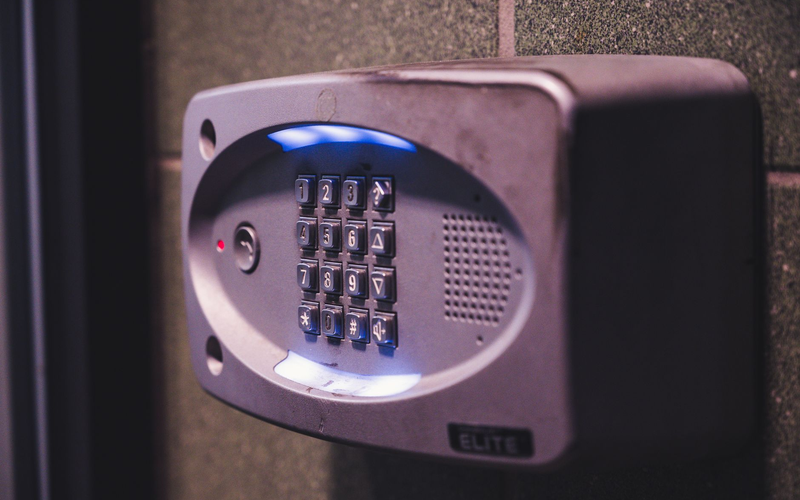
For Hammonton homeowners, being proactive about lock and security maintenance isn't just about preventing break-ins. It's about creating peace of mind as routines shift and schedules become more hectic. When you know your locks are functioning properly, your keys are accounted for, and your security systems are updated, you can focus on what matters most: enjoying the season with your family.
Inspecting All Entry Point Locks
Begin your fall security checklist by conducting a thorough inspection of every lock in your home. This means more than just your front door—every entry point deserves attention. Start with your primary entrance, typically the front door. Test the deadbolt by ensuring it extends fully and retracts smoothly. A deadbolt should extend at least one inch into the door frame for optimal security. If you notice any sticking, grinding, or resistance, this indicates wear that could leave you locked out during an inconvenient moment or, worse, compromise your security.
Move systematically through your home, checking back doors, side entrances, garage doors leading into the house, and basement entries. Many homeowners neglect these secondary access points, but statistics show that burglars often target back and side doors precisely because they receive less attention and maintenance. Each lock should operate smoothly without requiring excessive force. Check that strike plates are securely fastened with screws at least three inches long—short screws are a common vulnerability that makes doors easy to kick in.
Don't overlook your sliding glass doors and windows. These entry points often have inadequate factory locks that provide minimal security. Consider whether your sliding doors have additional security bars or pins that prevent them from being lifted off their tracks—a common break-in method. For windows, verify that all locking mechanisms engage properly and consider whether additional security measures like window pins or upgraded locks would provide better protection.
Pay special attention to any locks that have been problematic in the past. A lock that occasionally sticks or requires jiggling might seem like a minor inconvenience during pleasant weather, but imagine dealing with that issue during a cold, rainy November evening when you're juggling groceries and children. Fall maintenance now prevents winter emergencies later.
Evaluating Your Key Management System
As routines change with the return to school and work schedules, fall is the perfect time to reassess how your household manages keys. Families with children face particular challenges as kids become more independent and may need their own keys for after-school access. Consider whether your current system effectively balances convenience with security, or whether it's time for an upgrade.
Start by accounting for every key to your home. Do you know exactly how many copies exist and who has them? Many homeowners are surprised to discover they've lost track of keys over the years—copies made for former neighbors who used to water plants, keys given to contractors who did work years ago, or even keys that simply went missing without anyone noticing. Each unaccounted key represents a potential security vulnerability.
For families with school-age children, establishing clear key protocols becomes especially important in fall. Children who need to let themselves in after school require keys, but traditional keys come with risks—they can be lost, stolen, or simply forgotten, leaving kids stranded outside. This is where many Hammonton families find themselves weighing options. Some parents ensure their children have secure places to keep keys, while others opt for modern keyless entry systems that eliminate the key-carrying requirement altogether.
Consider implementing a household key audit where you document every key, who has it, and its purpose. This inventory should include house keys, garage door keys, shed keys, and any other access points to your property. If you discover you've lost track of keys or if your home has recently changed ownership, rekeying your locks should be a top priority. The cost of rekeying is minimal compared to the security risk of unknown keys circulating.
Upgrading to Smart Lock Technology
Fall represents an excellent opportunity to modernize your home security with smart lock technology. While traditional locks have served homeowners well for generations, modern smart locks offer convenience and security features that align perfectly with contemporary family lifestyles. For Hammonton residents juggling work schedules, school activities, and the busy pace of fall, smart locks eliminate many common frustrations.
Smart locks allow you to create unique access codes for different family members, eliminating the need for physical keys that can be lost or copied. Parents can provide temporary codes to house cleaners, maintenance workers, or pet sitters, then delete those codes when services are complete. This level of control simply isn't possible with traditional key systems. Additionally, many smart locks integrate with home automation systems, allowing you to lock or unlock doors remotely, receive notifications when doors are accessed, and even grant emergency access to trusted friends or family members when you're not home.
For families with children, smart locks offer particular advantages during the school year. Rather than worrying about whether your child remembered their key or is waiting outside in the cold, you can provide them with a personalized access code. If they forget the code (which children sometimes do), you can provide it remotely via phone call or text. Some systems even send you notifications when your child arrives home, providing peace of mind during those after-school hours.
When considering smart lock installation, look for systems compatible with your existing door hardware and home automation ecosystem. High-quality smart locks offer battery backup systems to prevent lockouts during power failures, and many maintain traditional key override options for backup access. Professional installation ensures proper alignment and function, which is critical for smart locks to operate reliably.
Weatherproofing Locks for Fall and Winter
As temperatures drop and Hammonton experiences increased moisture from fall rains and eventual winter weather, your locks face environmental challenges that can impact their function. Moisture, temperature fluctuations, and debris accumulation can cause locks to freeze, stick, or corrode. Proactive weatherproofing now prevents frustrating lockouts during harsh winter weather.
Start by cleaning all exterior locks thoroughly. Use compressed air to blow out any debris, dust, or insect nests that may have accumulated during summer months. Dead insects, spider webs, and dirt can interfere with lock mechanisms, especially in locks that aren't used frequently, like shed or garage side door locks. After cleaning, apply a dry lubricant specifically designed for locks—avoid oil-based lubricants, which attract dirt and can gum up mechanisms over time.
Inspect weatherstripping around all exterior doors. Proper weatherstripping serves multiple purposes: it keeps cold air out, improves energy efficiency, and protects lock mechanisms from moisture infiltration. Worn weatherstripping allows rain and snow to reach your door hardware, potentially causing rust or freezing. Replace any weatherstripping that shows signs of cracking, compression, or separation.
For locks particularly exposed to weather—such as those on sheds, garages, or covered but unheated entryways—consider installing protective covers or shields. These inexpensive accessories divert rain and snow away from keyholes, significantly reducing moisture exposure. For homes with security screen doors or storm doors, ensure these outer barriers properly protect your main entry locks from direct weather exposure.
The fall season also brings falling leaves and increased debris that can accumulate around door thresholds. Make clearing leaves and debris from entranceways part of your regular fall maintenance routine. Organic material that accumulates around doors holds moisture against door frames and hardware, accelerating corrosion and creating conditions for lock failure.
Creating Emergency Access Plans
No locksmith checklist would be complete without addressing emergency access planning. Fall is an ideal time to establish or review your family's plan for handling lockouts or emergency situations. As schedules become busier with school activities, work commitments, and holiday preparations, the likelihood of someone accidentally locking themselves out increases.
Start by designating a trusted neighbor or nearby family member who can serve as your emergency key holder. Choose someone reliable who is frequently home and who you trust implicitly with access to your property. Provide them with a clearly labeled key and ensure all family members know who has this backup key. In return, offer to serve as their emergency contact—these reciprocal arrangements build community connections while providing practical security.
Consider installing a secure key lockbox somewhere on your property. Modern lockboxes offer combination or smart technology access, allowing you to securely store a spare key without hiding it under a doormat or planter (locations that burglars check first). Mount the lockbox in a discreet location and ensure all family members know the combination or access code. Change the combination periodically and whenever a family member shares it with someone for temporary access.
Educate all household members about what to do if they find themselves locked out. Children especially need clear instructions: who to call, where to go, and what not to do. Many families establish rules like "if locked out after school, go to the neighbor's house and call mom or dad" rather than having children attempt to force entry or wait outside in potentially unsafe conditions. Similar to how parents carefully vet options like daycare Vineland, NJ facilities or research specific providers like Uriah daycare Vineland NJ for their children's care, establishing clear safety protocols for lockout situations provides structure and security.
Make sure your emergency contact list includes a reputable local locksmith service that offers 24/7 availability. Research options now rather than trying to find help during a stressful lockout situation. Verify that the locksmith you choose is licensed, insured, and has positive local reviews. Keep this contact information saved in all family members' phones and posted somewhere accessible.
Addressing Garage Security
Garages represent one of the most vulnerable entry points for many Hammonton homes, yet they often receive minimal security attention. As fall brings earlier darkness and more time spent indoors, garage security becomes increasingly important. Burglars recognize that garages frequently have weaker security than main entrances and often contain valuable items like tools, bicycles, and lawn equipment, in addition to providing access to the main house.
Begin your garage security assessment with the main garage door. Modern garage door openers should have rolling code technology that changes the access code each time the remote is used, preventing code grabbing by thieves. If your garage door opener is more than 10 years old, it likely lacks this security feature and should be replaced. Additionally, ensure your garage door opener has automatic closing features or set reminders to verify the door is closed each evening—it's surprisingly easy to forget to close the garage door, especially during busy fall schedules.
The door connecting your garage to your home deserves the same security attention as your front door. This entry point should have a solid core or steel door equipped with a high-quality deadbolt. Many homes have hollow core doors between the garage and house—a significant security weakness. If someone gains access to your garage (which often requires minimal effort if the garage door is left open or has weak security), a flimsy interior door provides virtually no barrier to home entry.
Windows in garage doors also present vulnerabilities. If your garage door has windows, burglars can see inside to determine if vehicles are home and survey what valuables might be stored there. Consider frosting these windows or installing curtains that allow light in while blocking the view. Never leave garage door openers visible in vehicles parked outside, as thieves can smash windows and use the opener to access your garage.
For detached garages or sheds, install high-quality padlocks on a heavy-duty hasp system. Cheap padlocks can be cut quickly with bolt cutters, while quality locks provide real security. Consider whether motion-sensor lighting around your garage or shed would deter nighttime access attempts. These lights are especially valuable as evening darkness arrives earlier each week throughout the fall.
Lighting and Security Integration
Proper lighting works in tandem with quality locks to create comprehensive home security. As daylight hours shrink throughout fall, exterior lighting becomes increasingly critical for both safety and security. Well-lit entry points deter criminals who prefer to work in darkness while providing practical benefits like illuminating keyholes for easier access and reducing trip hazards.
Assess lighting at every entrance to your home. Front doors, back doors, side entrances, and garage entries should all have adequate lighting that automatically activates at dusk. Motion-sensor lights provide excellent security by surprising potential intruders and alerting homeowners to activity around entry points. For maximum effectiveness, position motion sensors to cover approach paths rather than just doorways themselves—you want lights activating when someone enters your property, not just when they reach your door.
Consider the psychological impact of lighting from a burglar's perspective. Homes with good lighting appear occupied and monitored, suggesting homeowners who are security-conscious. Conversely, dark homes signal inattention or absence. Installing timers on interior lights creates the appearance of occupancy even when you're away—a simple but effective deterrent strategy.
Modern smart lighting systems integrate with security cameras and smart locks to create comprehensive security ecosystems. When your smart lock detects someone approaching, lights can automatically illuminate. If your security camera detects motion, you can program lights to activate and receive notifications on your phone. These integrated systems provide security layers that work together more effectively than isolated components.
Don't forget pathway lighting leading to entrances. Well-lit walkways serve dual purposes: they guide visitors and family members safely to your door while eliminating shadowy hiding spots near your home. Solar pathway lights offer an economical, easy-to-install option that requires no wiring, though hardwired lighting typically provides brighter, more reliable illumination.
What Are Some Reputable Locksmiths in New Jersey?
When seeking locksmith services in New Jersey, particularly in the Hammonton and surrounding areas, reputation and reliability should be your primary considerations. Winslow NJ Locksmith serves Hammonton and the broader southern New Jersey region with comprehensive residential, commercial, and automotive locksmith services. What distinguishes reputable locksmiths from less reliable providers includes several key factors.
First, legitimate locksmiths maintain proper licensing and insurance. New Jersey has specific regulations governing locksmith services, and reputable providers comply fully with these requirements. Always verify credentials before allowing anyone access to your home's security systems. Second, established locksmiths have physical business locations and verifiable business histories. Be cautious of locksmith services that only provide phone numbers without addresses or that seem to appear only in online searches—these may be scam operations that charge excessive fees or provide poor service.
Reputable locksmiths also provide upfront pricing estimates before beginning work. While exact costs may vary based on specific circumstances discovered during service calls, legitimate professionals offer transparent pricing structures and discuss costs before proceeding. They carry proper identification, arrive in marked vehicles, and can provide references or reviews from previous customers.
For Hammonton residents, choosing a local locksmith offers advantages beyond convenience. Local providers understand the specific security challenges of the area, maintain familiarity with common lock types in regional homes, and can typically respond more quickly to emergency calls. They also have reputations within the community to maintain, providing additional incentive for quality service and fair pricing.
How Much is the Average Locksmith Charge?
Understanding typical locksmith pricing helps homeowners budget for security maintenance and recognize when charges seem unreasonable. Locksmith service costs vary based on several factors, including the service type, time of day, complexity of work, and geographic location.